New method of communication --- Datafication body
This new method of communication is thought to be made possible through datafication. Datafication is to put the research object in a quantified format so it can be charted and analysed. The datafication body, is the information about the body is used as the basis for the software to analyse and obtain an analysis of the individual body based on this data.
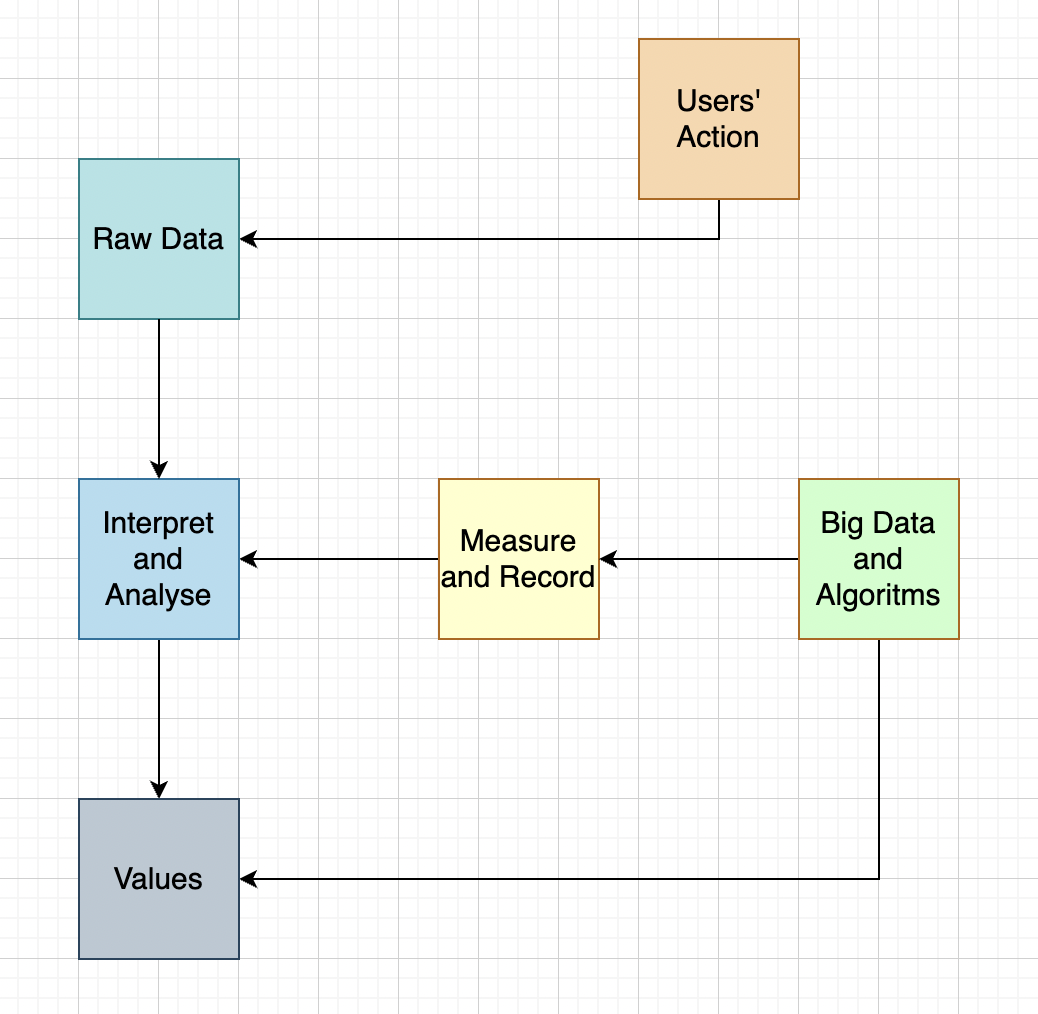
This flow chart shows the process of datafication can therefore be divided into two steps, firstly transforming the research object into data which we consider as raw data, and then interpreting and analysing the raw data in order to apply value to data.
Datafied the body helps us to gain a more intuitive and comprehensive understanding of our individual physical condition. As a result, such technology is used in self-tracking fitness digital applications, such as KEEP.
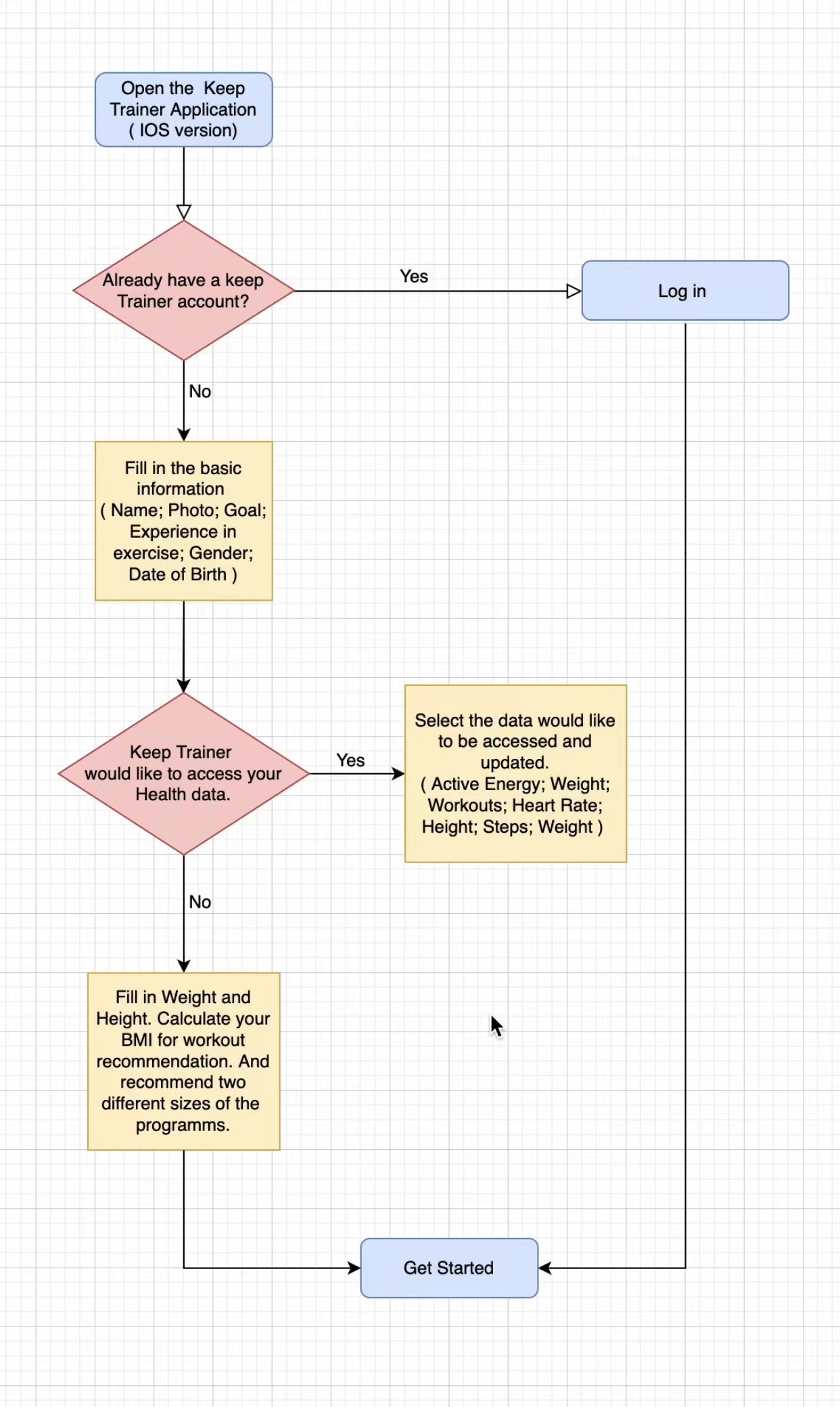
It converts the raw data collected into individual body data to determine whether the user is in a "healthy" state and recommend exercise plans, etc. Once one of the user's body data meets the criteria it has set, it will provide a statement that “you are in a healthy condition”.
In the post-pandemic era, the Health Code was developed as the certification of individuals’ health condition. The Health Code also operates by the technique of datafication body. The data is collected to determine whether the user is in a "healthy condition". This "health condition" is indicated by the colour of the Health Code.
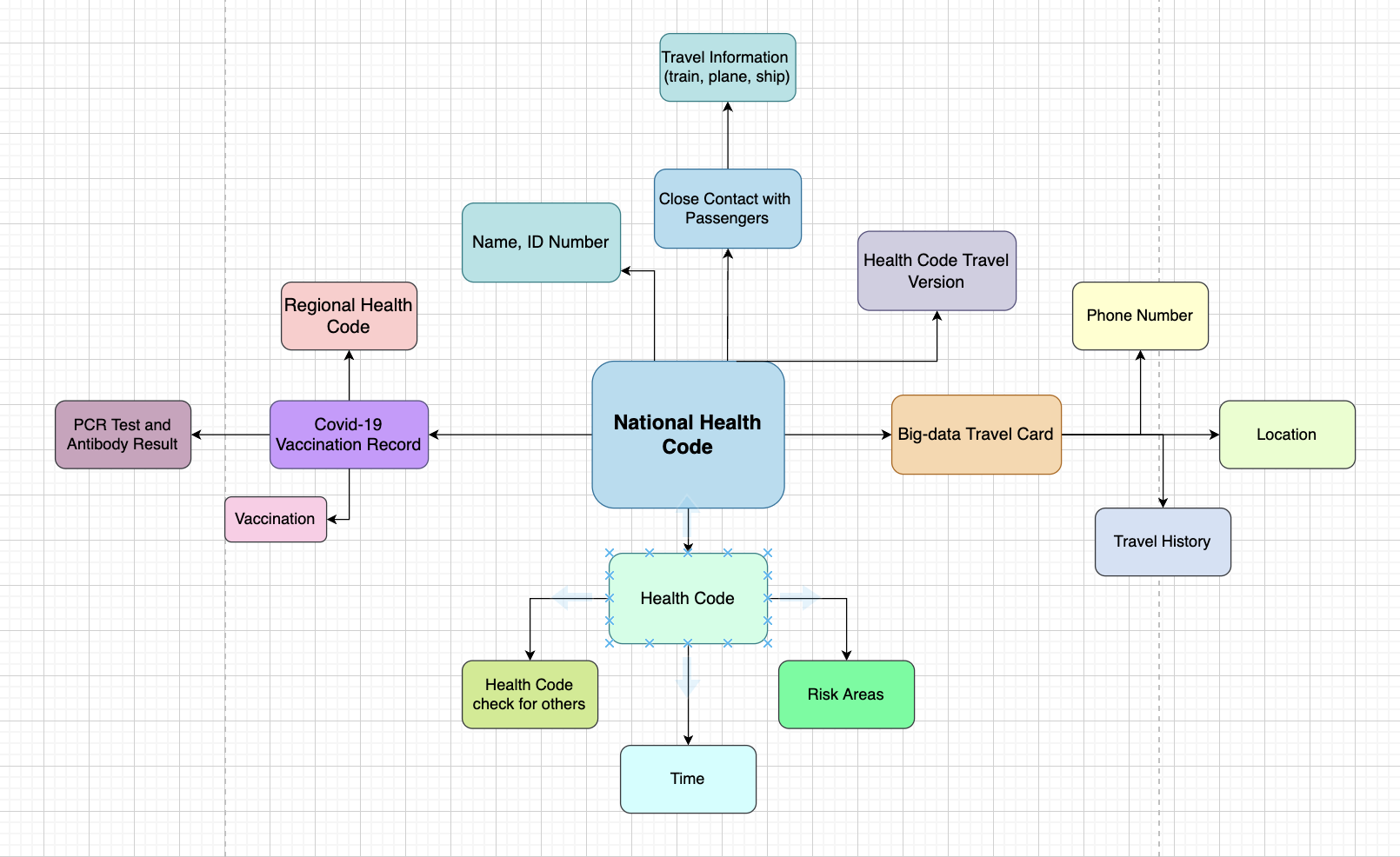
This chart demonstrates that the data collected by Health Code is very extensive. In addition to collecting data on individual users, the personal statement will also influence by the results of the data which according to the actual situation in society. The data structure of the personal Health Code contains four main components: basic personal information; personal health information; trip information; and health certificate information.
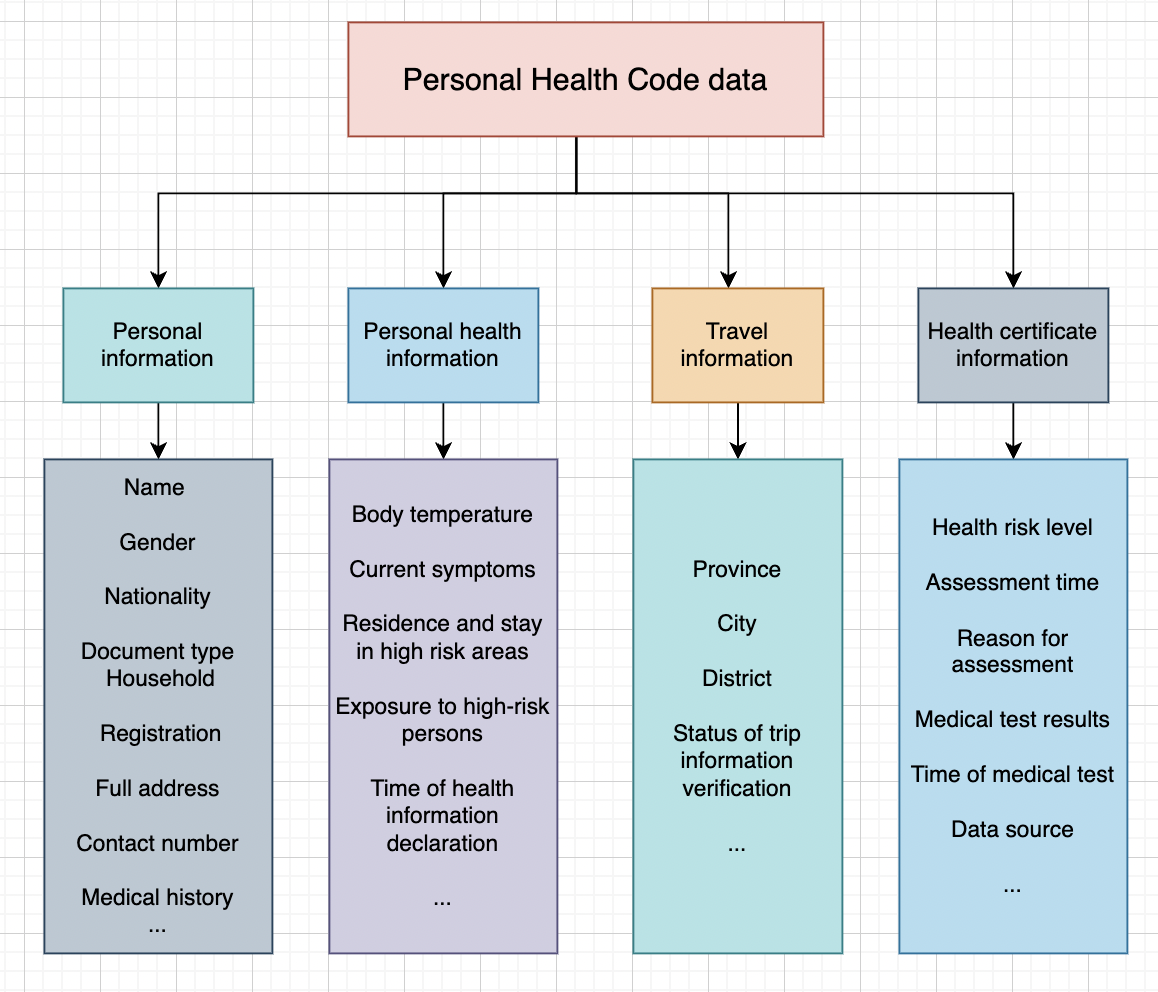
What can be found from the chart above is that in addition to personal health data being collected, data on an individual's social connections are also collected, such as whether the individual is a close contact of an infected person and whether the individual has stayed in an area at high risk of infection with the virus. In other words, it changes from an individual state of health to "public health". Public health is a new topic during the pandemic. Citizens are de-subjectified when they are represented by codes or data (Fang, et, al., 2020). It identified two changes, from the pre-pandemic era to the post-pandemic era. One, a shift from personal health to public health. Two, the shift from voluntary data collection to mandatory data collection. And the subject of data collection has changed from the company to the government.
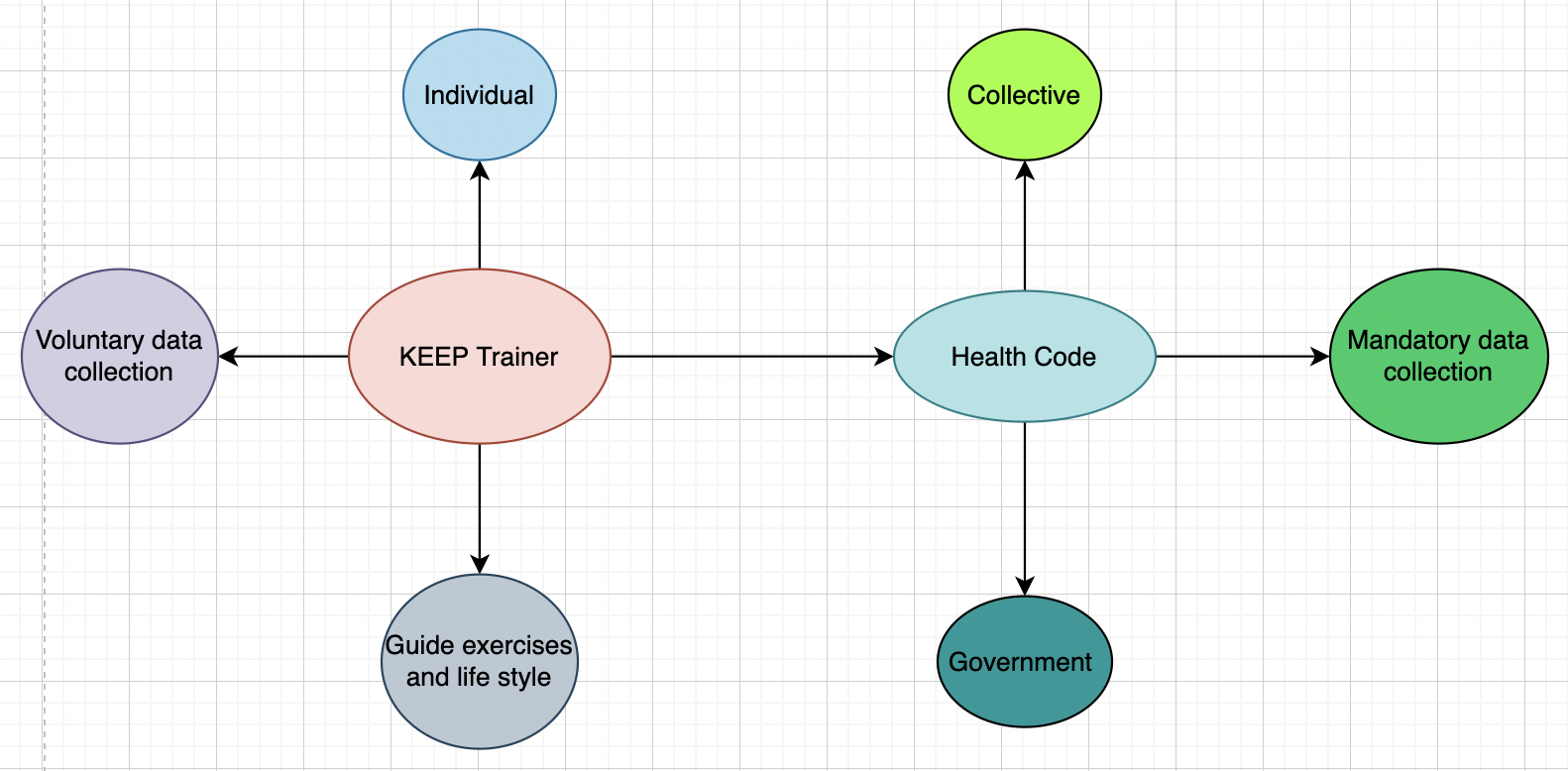
This change helps to examine the application of datafication in the post-pandemic era. The main purpose of the current use of Health Code is to reduce the risk of mutual transmission of viruses and to facilitate the need to travel in times of the pandemic. The standard sets out requirements in several dimensions in order to regulate the authenticity of the health information declared by individuals. Firstly, the health information declared by the individual is only one of the reference elements for assessing the health status of the individual. Secondly, there are different sources of personal health information, such as those provided by the community, hospitals and the individual's workplace, which can also be used as a reference. Finally, the relevant authoritative data holders, such as health, transport and travel, mobile communications and other industry authorities, will verify the data declared by the individual.
This means that in the case of mandatory data collection, individual data is screened for its authenticity by different authorities. Individuals are unable to amend or falsify their information. This is where the Health Code differs most from the KEEP application. Because the KEEP application takes on the task of recording, whereas the user has the right to choose the data that needs to be recorded and can therefore make changes to it. The Health Code definition can therefore be seen as a manifestation of the power of the authority over the individual, whereas the KEEP application definition is a manifestation of the user's power over his or her own body.
It is worth noting, however, that this mandatory data collection does not indicate the extent of the data to be collected; the security of the data storage; or the rationale for the data analysis. It is a form of invisible surveillance. This raises concerns about user fairness as well as privacy issues in the continued future application of Health Code.
References
Yang, F., Heemsbergen, L. and Fordyce, R., 2020. Comparative analysis of China’s Health Code, Australia’s COVIDSafe and New Zealand’s COVID Tracer Surveillance Apps: a new corona of public health governmentality?. Media International Australia, 178(1), pp.182-197.
Go back to the previous page